Precision
Know exactly where infrastructure is located—with the accuracy and confidence required for critical decisions.

Save Time.Save Money.Save Lives.
Roads • Rail • Airports
Electric • Water • Telecom • Gas
Civil • Heavy Highway • Infrastructure
Oil & Gas • Pipelines • Renewables
DOTs • Municipalities • Public Agencies
Survey • SUE • GIS • Asset Management
We Serve the Critical Infrastructure Industry, Globally.
The opportunity
Every dollar of that spend rests on knowing where the assets are.
The problem
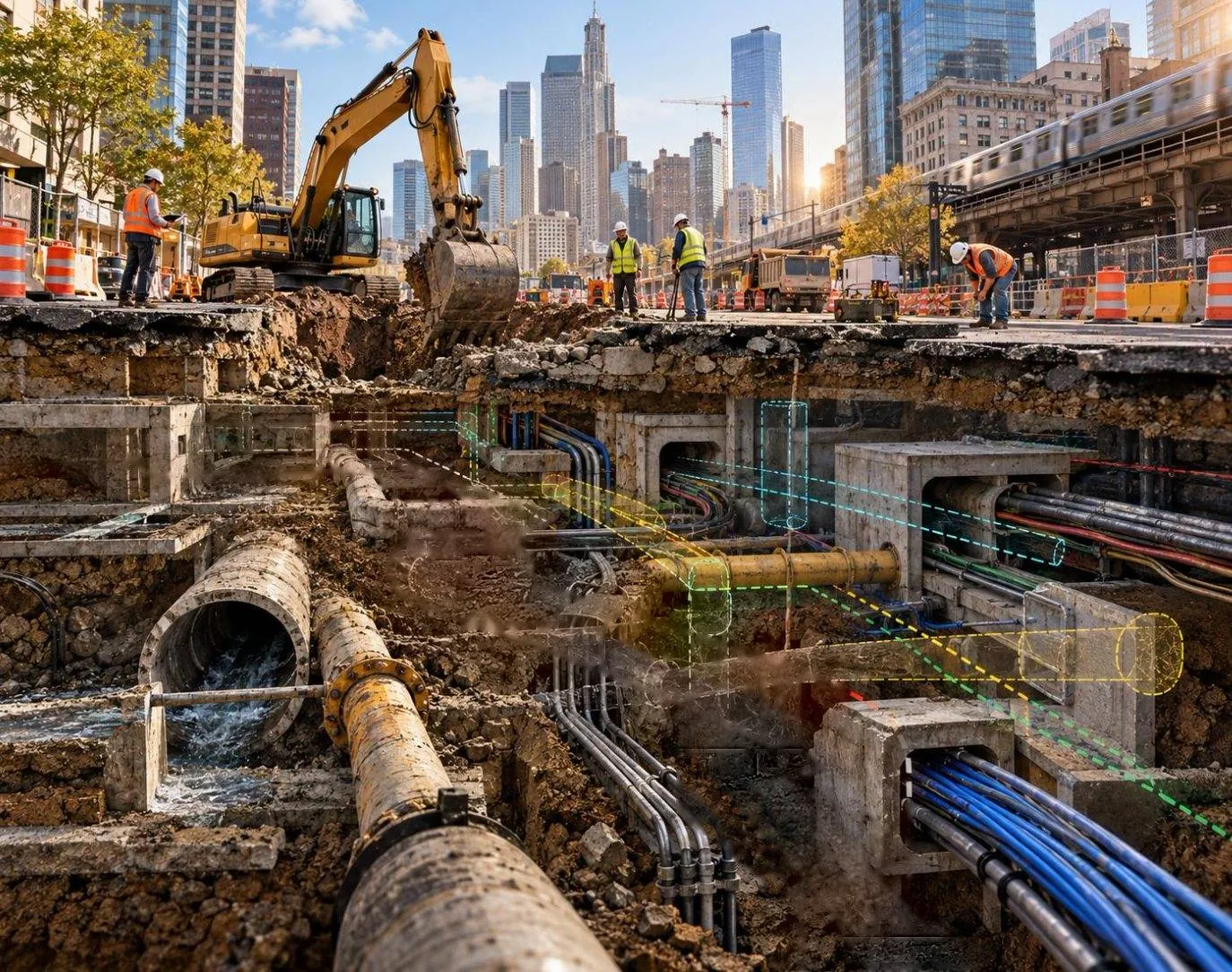
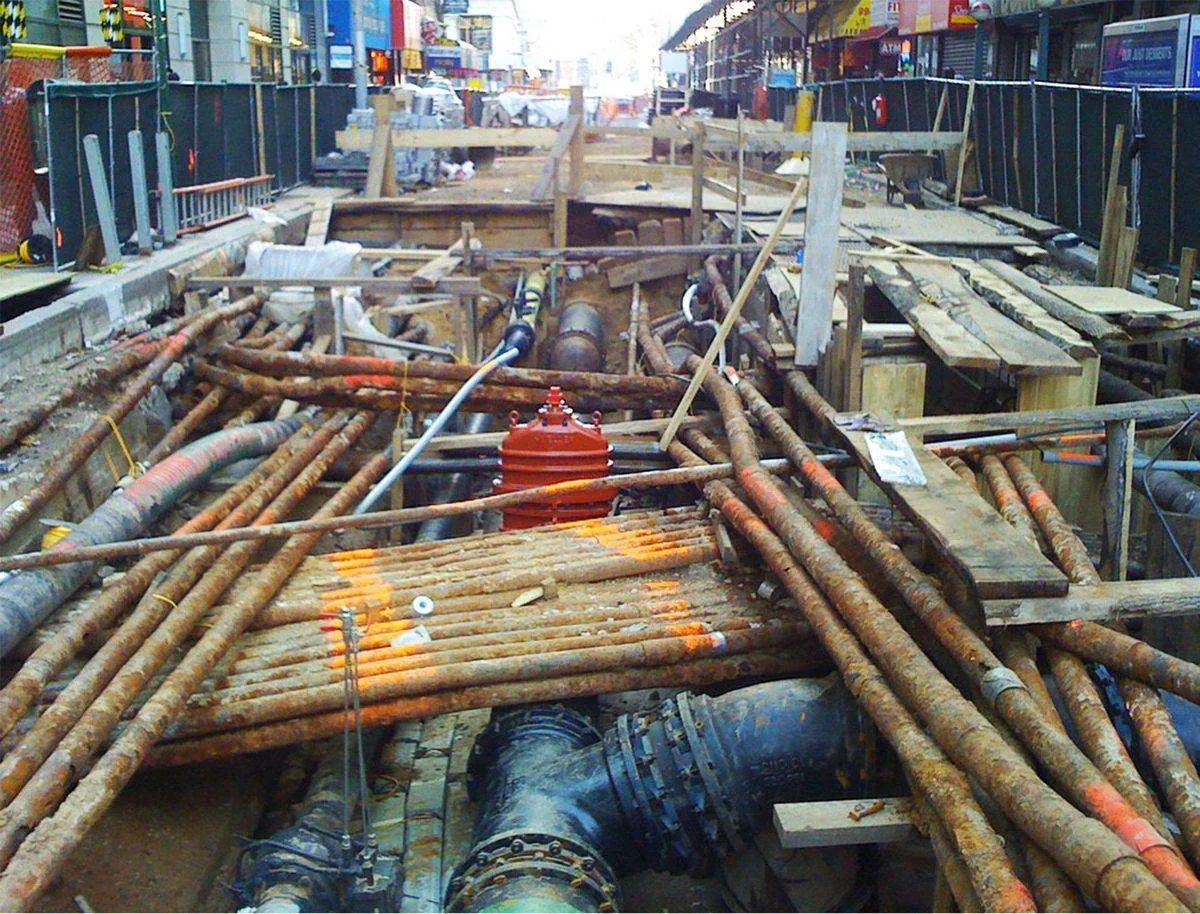
Most of the world’s underground infrastructure was never accurately mapped — if it was mapped at all. Today’s system relies on paint markings to identify utility locations: markings that are imprecise and, by nature, temporary. Every excavation threatens this critical network.
The solution is ProStar
A comparative Kiewit case study recorded a more than 97% reduction in utility strikes after incorporating ProStar’s PointMan®.
Proven in the field. Fully AI compatible. Built to scale.
Around the world, ProStar technology is being adopted by government agencies, utility owners, engineering firms and contractors responsible for the installation, maintenance and management of critical infrastructure networks.









































The LinQD® ecosystem
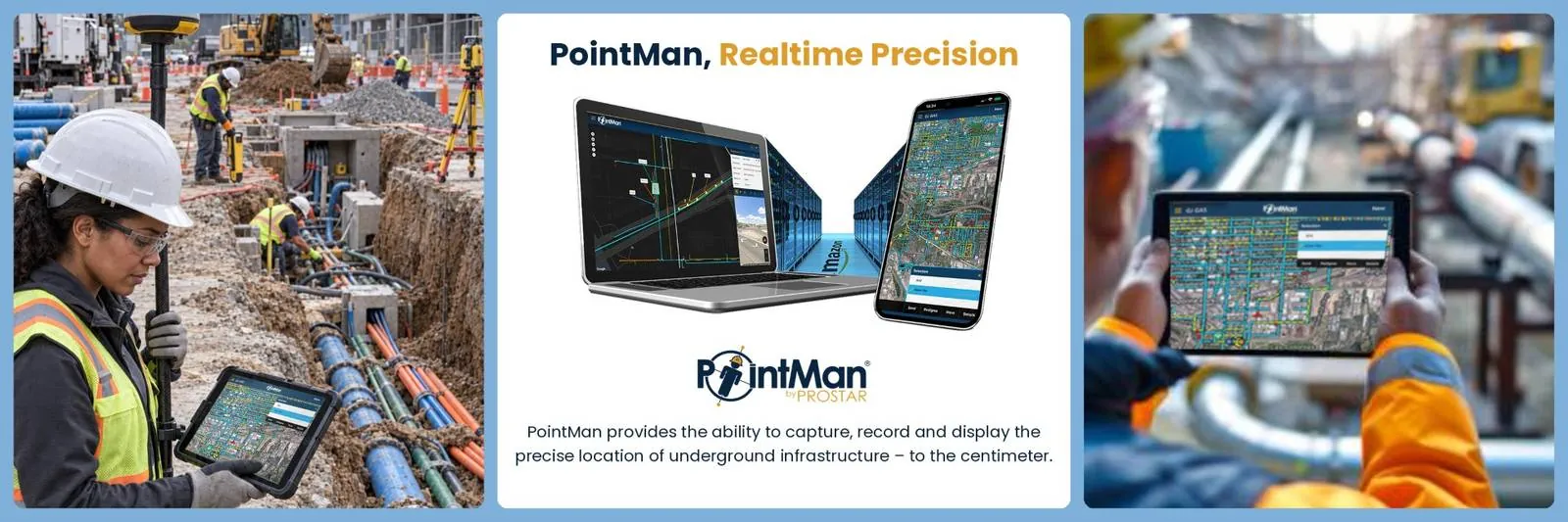
Our open architecture means customers around the world don’t have to replace the technology they already rely on. ProStar connects it, enhances it and puts the resulting intelligence to work — fully AI compatible.

Why Now
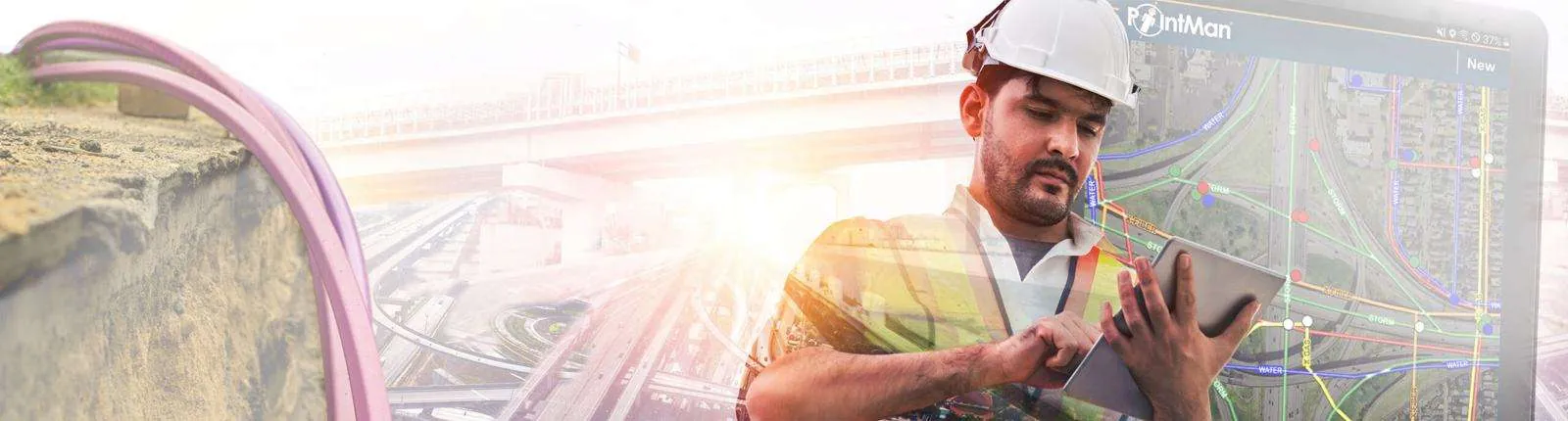
These forces are creating a growing need for infrastructure data that is accurate, accessible and connected.
ProStar is built for this convergence.
Converging forces
For decades, critical infrastructure relied on approximate locations, paper records and institutional knowledge. Now, massive investment and growing demands for safety, resilience and efficiency are driving the industry toward precision and digital intelligence.
Read all about it here –
Who we work with
Avoid utility strikes and rework on highway, civil and building projects.
Capture survey-grade utility locations and carry them into CAD and GIS.
Turn every locate into a permanent digital record that can be shared.
Map and manage water, gas, electric and sewer assets across their lifecycle.
Record new fiber and conduit precisely, at the moment it goes in the ground.
Precise location data for pipeline integrity and refinery maintenance.
Statewide utility records for departments of transportation.
PointMan Muni brings precision mapping to local and regional governments.
Newsroom, Presentations & Media
Get up to speed.
Looking for something older?
Browse hereAdditional corporate filings and historic news releases can be found on ProStar’s profile at SEDAR+.
Contact
See where we’re exhibiting, speaking and connecting next.

Looking for PointMan? He’s at PointMan.com
News releases and company updates, straight to your inbox.
Please visit our Contact page to sign up.
Logos, CEO headshot, product photos and the corporate overview.
We’re always looking for exceptional people. See our current openings
Bringing centimeter-level intelligence to the world beneath our feet.
Trade shows and events
Industry events on our radar through 2027. Dates marked TBD or est. are still being confirmed by the organizers.
Media room
Download-ready files. For interviews and further material, contact press@prostarcorp.com.
 ProStar logoPNG · transparent · 1464 × 411Download ↓
 PointMan logoPNG · transparent, for dark backgrounds · 1500 × 567Download ↓
 LinQD logoPNG · transparent, for light backgrounds · 1000 × 454Download ↓
 Michael Wolff, CEOHeadshot · JPGDownload ↓
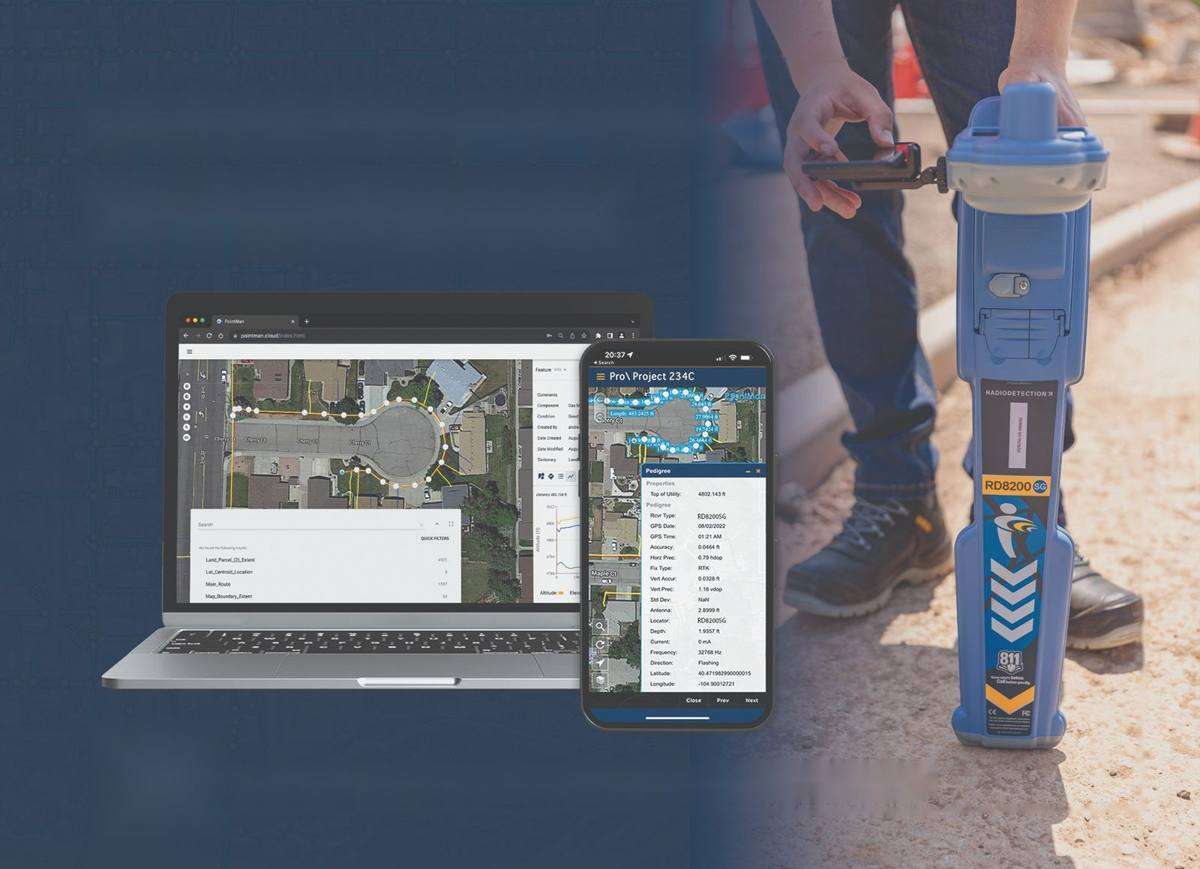 PointMan with Radiodetection Receiver #1Product photo · JPGDownload ↓
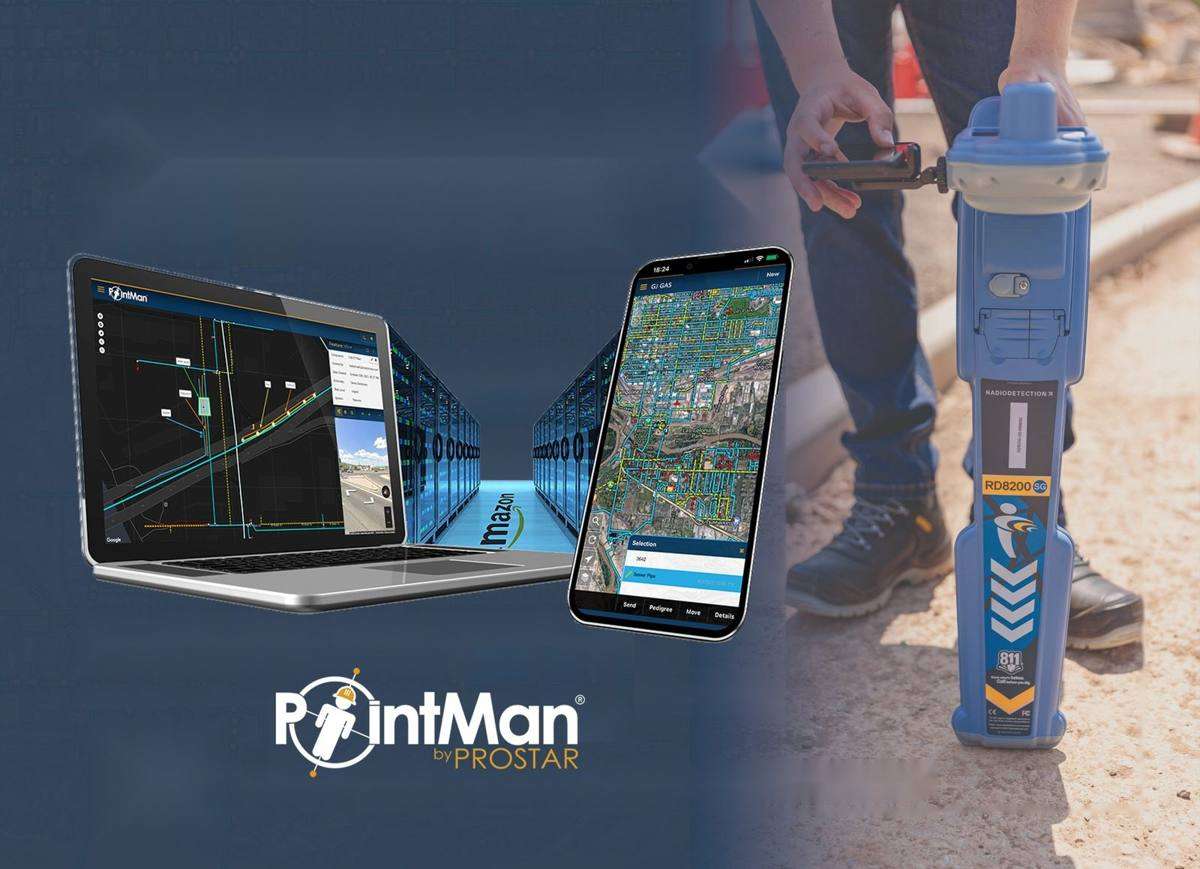 PointMan with Radiodetection Receiver #2Product photo · JPGDownload ↓
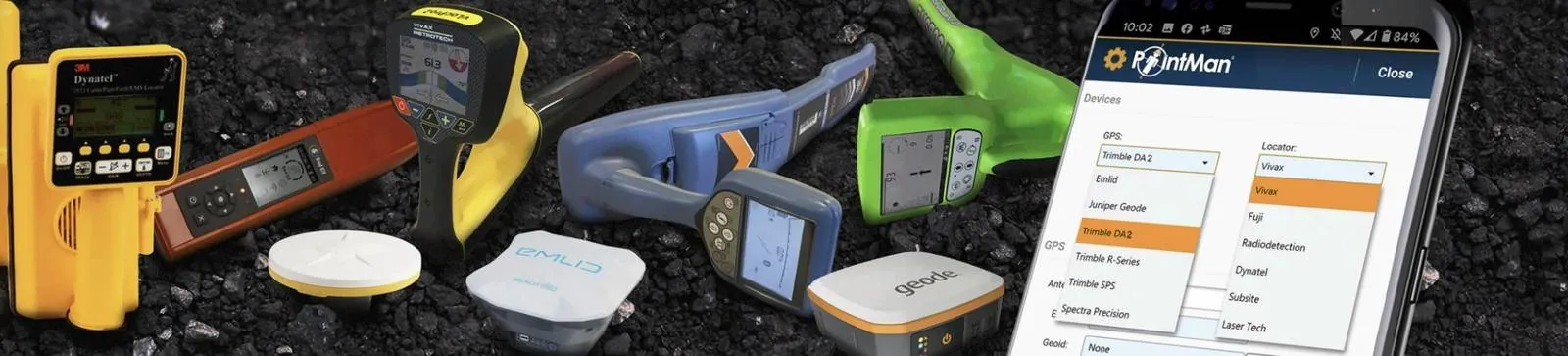
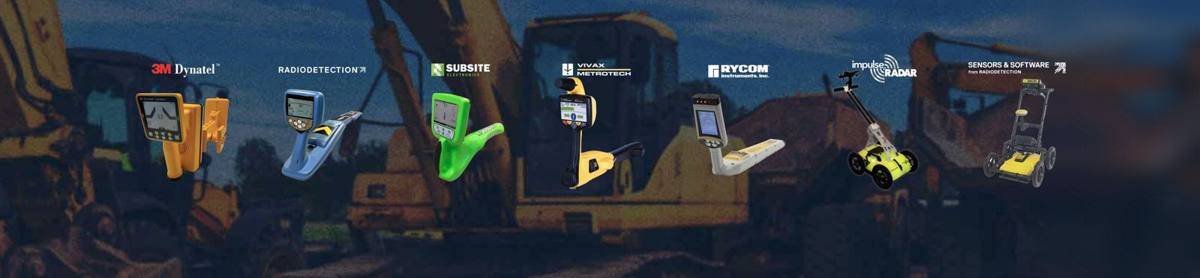 Locator line-up bannerBanner · JPG · 4814 × 1116Download ↓
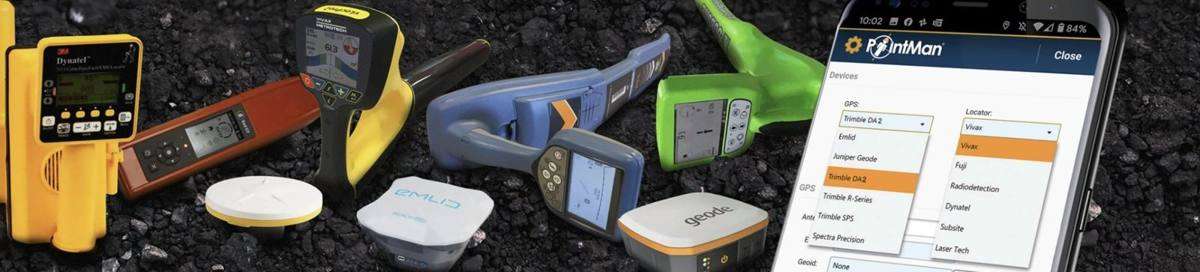 Device integrations bannerBanner · JPG · 2000 × 454Download ↓
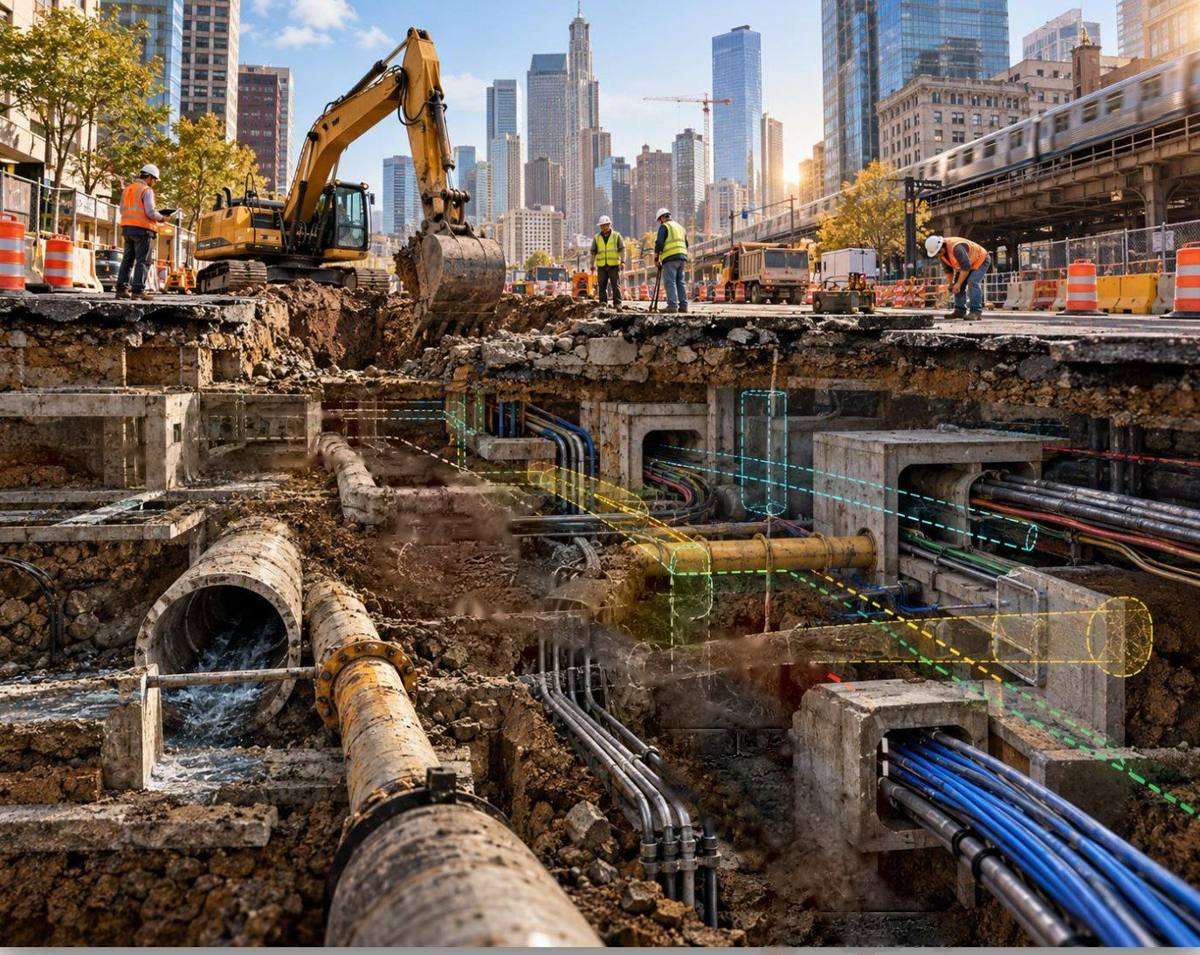 Buried infrastructure cutawayIllustration · JPG · 1374 × 1094Download ↓
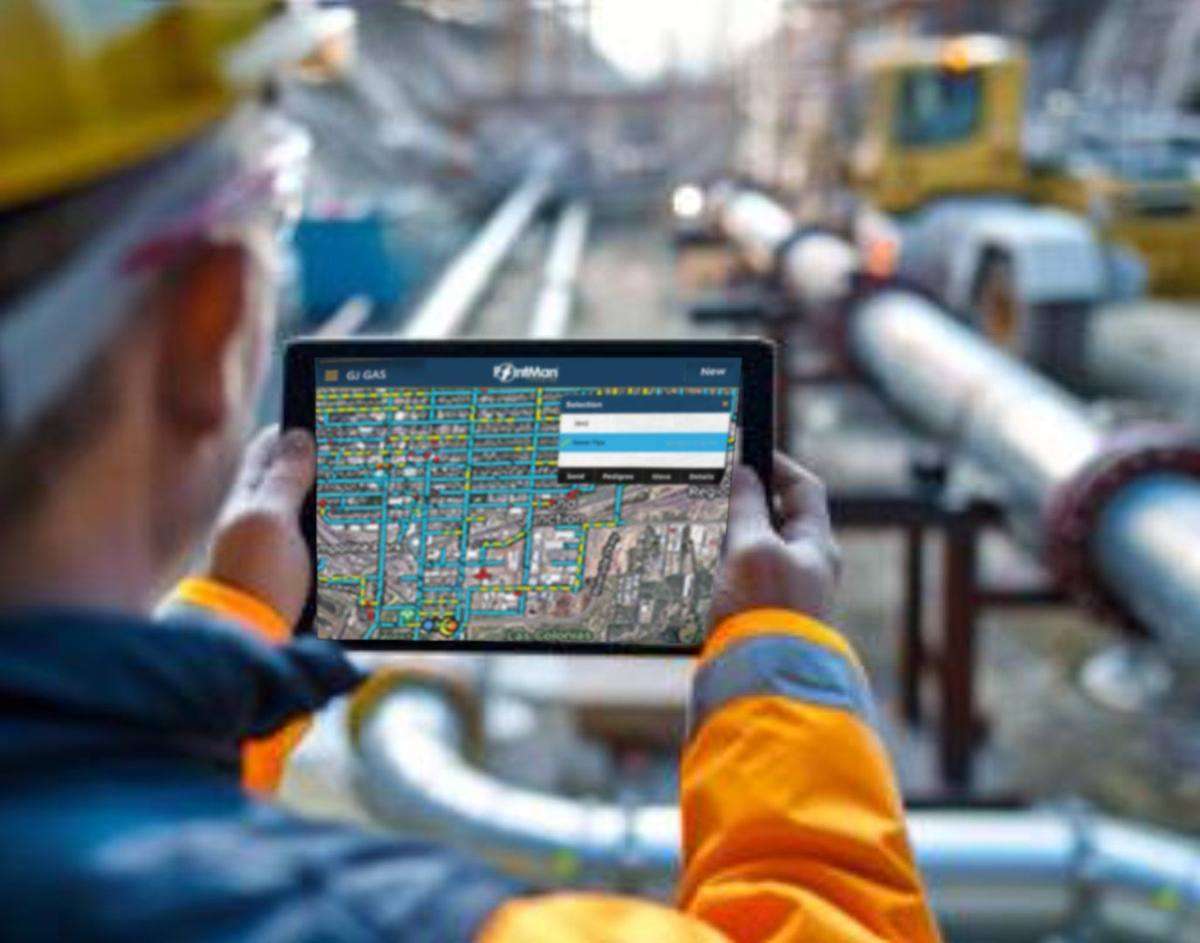 PointMan on tablet at pipeline siteField photo · JPG · 1374 × 1080Download ↓
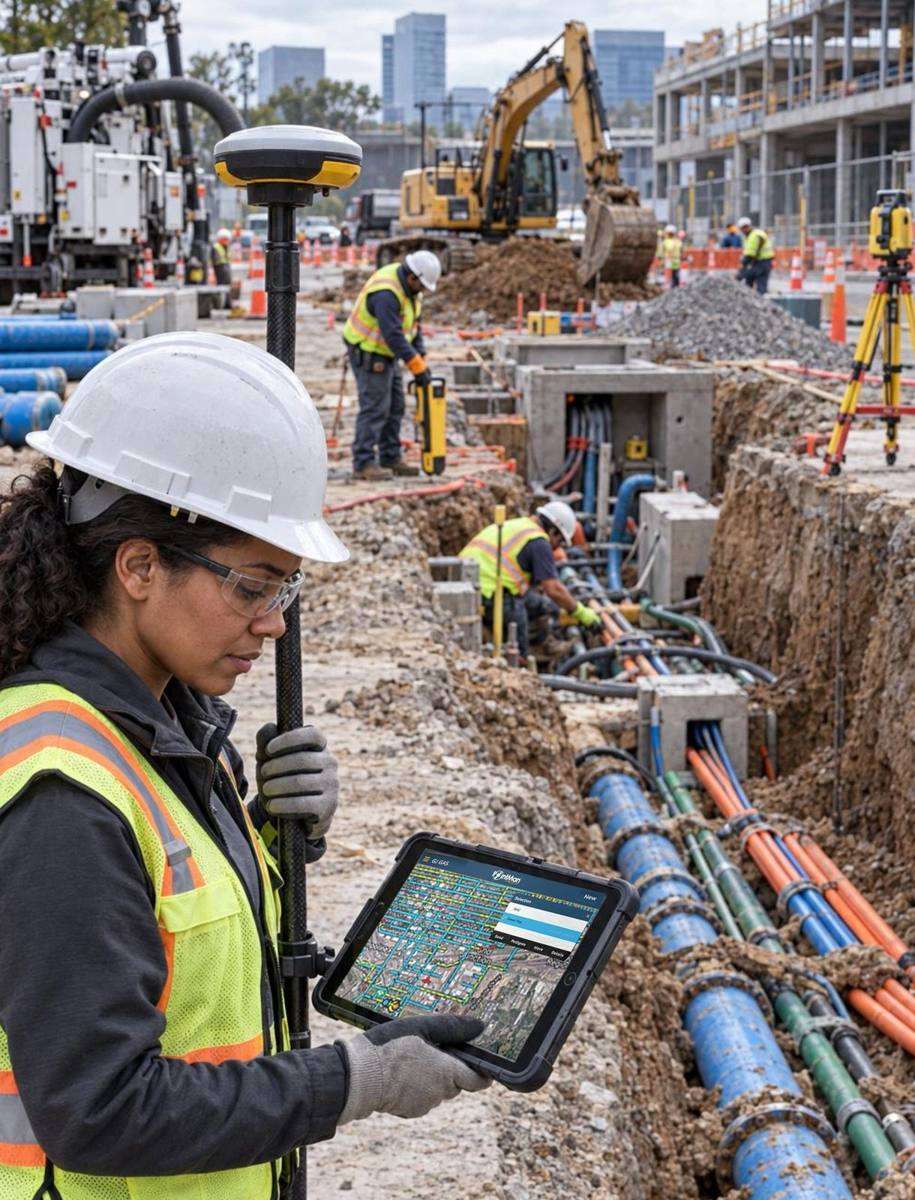 Surveyor with GNSS and tabletField photo · JPG · 1808 × 2372Download ↓
Management and Board of Directors.
We’re looking for exceptional people to join our team!
See our current openings
Chief Executive Officer
Mr. Wolff has extensive operational experience in modernizing software in the infrastructure industry, driving strategic product growth, optimizing user experience, and deploying practical digital solutions. He possesses the necessary leadership and communications skills to pull together cross-functional teams at all hierarchical levels to achieve the desired results in high-pressure environments, including defining compelling product propositions, launching to market, and driving commercialization. Mr. Wolff joined ProStar after serving as the head of Digital Solutions at Radiodetection Ltd., an SPX company and a UK-headquartered provider of underground utility detection, damage prevention, and critical infrastructure management with operations in more than 60 countries. In that role, he spearheaded the strategy and lifecycle management of the company’s advanced data and software-driven products. He holds a BA degree in Sound Engineering and Music Science, is a certified Digital Product Manager and an Agile Certified Product Manager. As an accomplished industry expert on geospatial technology and utility infrastructure, he brings the experience and expertise required to lead ProStar through its next stage of growth.

Chief Technology Officer
Louis Suchy is a visionary and technology leader who excels in developing and executing strategic initiatives that drive innovation and cutting-edge solutions that propel businesses into the future. Louis has over 20 years of experience in the technology sector in diverse industries, including Education, Information Security, and Life Sciences. Prior to joining ProStar, Louis held key leadership positions at several technology companies, including Kaplan, Prolexic, and Akamai, where he spearheaded successful projects that disrupted markets and drove business expansion. Louis also serves as Allure Security’s product and technology advisor and holds an MBA.

Chief Financial Officer
Mr. Richards has over a decade of public company-focused accounting and finance experience. He has accumulated extensive experience with Toronto Stock Exchange and venture-listed companies, as well as numerous private companies all over the world. His professional experience has included officer and director positions on the TSX and TSXV; experience in various debt and equity financings; implementation of ERP systems; managing domestic and international tax planning strategies; and implementation of corporate governance and internal control policies. Mr. Richards holds a bachelor’s degree in management studies with first-class honors from the University of Waikato, New Zealand, started his career at KPMG in the audit and assurance division, and is a member of the Chartered Professional Accountants of British Columbia as well as Chartered Accountants of Australia and New Zealand.

VP of Marketing & Operations
Matthew Breman is a results-proven leader with over 25 years of marketing and communication experience. Specializing in delivering new products and ideas to market with a very experiential and customer-centric delivery, he has helped a broad range of brands including MTV / Nickelodeon, Disney Resorts, and Microsoft succeed. While the head of Cranium 360, he moved the company from start-up to a national award-winning marketing agency. He has worked closely with great clients and brands such as Johns Manville, Enstrom’s Toffee (if you have ever tasted it, you would understand), national franchisors, banks, and hospitals. Matthew’s experience, across a wide variety of clients, includes successfully bringing new products to market.
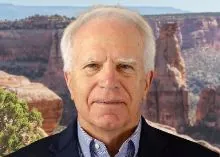
Chairman
Herb McKim, Jr., PE, PLS, is the co-founder, former president, COO and board member of McKim & Creed. Mr. McKim is a registered professional engineer and professional land surveyor and has served as president of the American Council of Engineering Companies of North Carolina (ACEC/NC). Mr. McKim earned undergraduate and graduate degrees in civil engineering from N.C. State in 1973 and 1975, respectively. He was inducted into Chi Epsilon, a National Honorary Civil Engineering Fraternity. Mr. McKim played an integral role in helping guide McKim & Creed from a small single-focus structural engineering firm to become a nationally recognized multidisciplinary company. Today, McKim & Creed is one of the largest engineering and surveying companies in the South, with over 30 offices, 1,200 employees and locations in 10 states.

Founder
Page Tucker has an extensive background in technology start-ups, including development, marketing, recruiting, capital financing and executive management. Page was the founder of Impact Solutions, Inc., a Silicon Valley based company he formed to provide state-of-the-art digital mapping and customer acquisition solutions to the automotive industry. Page reorganized Impact Solutions and formed e-autobusiness, the pioneer in the development of a web-based CRM solution that provided services to well over 900 dealerships throughout the United States before being acquired. Page went on to author 13 patents based on geospatial, mobile and cloud technologies including the methods for capturing, recording and displaying the precise location of buried infrastructure and in 2014 founded ProStar®. In 2016 the Colorado Technology Association named him Entrepreneur of the Year for his efforts and innovations in the development of ProStar’s Precision Mapping Solutions®.

Pat Clawson currently serves as the Chief Executive Officer (CEO) of CheckRed, a provider of unified security posture management (SSPM/CSPM) and compliance platform. Mr. Clawson has over 20 years of software industry experience in leading companies’ global strategies and served as CEO of companies such as Terbium Labs and Blancco Technology Group (BLTG.L), and as Chairman and CEO of Lumension Security. He was also previously Chairman and CEO of CyberGuard Corporation (NASDAQ: CGFW), a security software company he successfully grew and positioned for acquisition by Secure Computing (NASDAQ: SCUR) for $295 million.
Mr. Clawson has extensive experience in both domestic and international sales, marketing, and operations with companies in the information security segment. During his career, Clawson has developed and implemented multiple global distribution strategies that catapulted dozens of companies to record-breaking revenue growth and profitability and oversaw the integration of more than fifteen acquisitions.

Wayne is a former General Partner and Managing Director of M&A at Goldman Sachs. Wayne started Goldman’s dedicated technology M&A practice in Silicon Valley. Today, he is a private equity investor and a consultant at Madison Capital Partners, LLC. Wayne is a principal investor and member of the Board of Directors at EPAY Systems, Inc., a founding partner and board member at PetWell Partners and Sepire, LLC., and serves on the board of Rush Medical Center. Wayne previously served on the Board of Directors at Suncoke Energy Partners (NYSE: SXCP), the Chicago Council on Global Affairs, and was a member of Goldman Sachs’ M&A Worldwide Leadership Council. Wayne holds an MBA from Wharton School, University of Pennsylvania, and a M.S. in Mechanical Engineering from the University of Alabama.

Mr. McKenzie has held Founder, Co-founder, CEO, CFO and Director roles at several successful publicly traded companies in software, artificial intelligence and strategic minerals, raising approximately USD $120 million and managing subsidiaries and projects in Canada, the United States, South Korea, Mongolia and China. He has overseen partnerships, joint ventures, asset sales, licensing and M&A with organizations ranging from start-ups to multinationals, including NVIDIA. He co-founded NexOptic Technology Corp., where he currently serves as CEO.

Chief Financial Officer
Mr. Richards has over a decade of public company-focused accounting and finance experience. He has accumulated extensive experience with Toronto Stock Exchange and venture-listed companies, as well as numerous private companies all over the world. His professional experience has included officer and director positions on the TSX and TSXV; experience in various debt and equity financings; implementation of ERP systems; managing domestic and international tax planning strategies; and implementation of corporate governance and internal control policies. Mr. Richards holds a bachelor’s degree in management studies with first-class honors from the University of Waikato, New Zealand, started his career at KPMG in the audit and assurance division, and is a member of the Chartered Professional Accountants of British Columbia as well as Chartered Accountants of Australia and New Zealand.
Bringing centimeter-level intelligence to the world beneath our feet.
About ProStar®
Infrastructure is becoming increasingly complex. The systems that map, manage and maintain it shouldn’t be.
ProStar Geocorp brings precision, intelligence and connectivity to the world’s critical infrastructure.
We transform infrastructure data into a precise, connected digital record—captured in the field, accessible in the cloud and built to endure across the lifecycle of an asset.
The global standard for mapping, managing and connecting the world’s critical infrastructure data with centimeter intelligence.
Know exactly where infrastructure is located—with the accuracy and confidence required for critical decisions.
We document the historical record of the dataset’s origins including who created it, as well as when, where and how.
Connect field data, enterprise systems and legacy infrastructure databases. From field to office in real time.
Our solution is secure and fully compliant with SOC2 and SOC3 standards, reflecting our core value of uncompromising data security.

Save time.Save money.Save lives.
About our solution
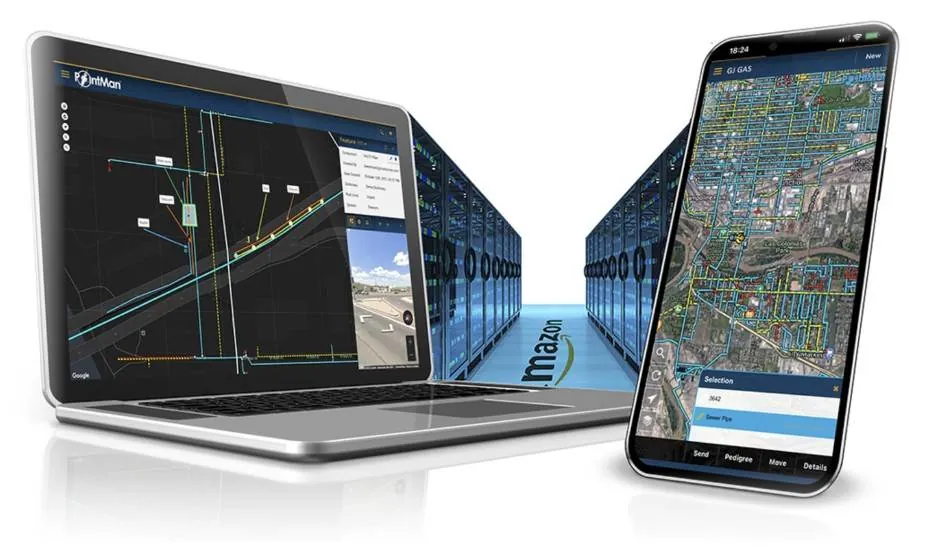
ProStar’s patented PointMan® is a cloud and mobile precision mapping solution, delivered as SaaS, that prevents utility damage during construction and improves how infrastructure assets are managed and maintained.
Record the precise location of underground assets on a standard smartphone.
Build a persistent digital record, updated in real time across the asset lifecycle.
Replace paper records and static maps to reduce strikes, delays, damages and injuries.
 Proud AWS Partner
The Technology
Capture. Locate. Map.
PointMan® enables field teams to capture and precisely map critical infrastructure, creating a reliable digital record of what exists—and where it exists.
Together, PointMan and LinQD® create a seamless digital ecosystem—from field capture to enterprise connectivity.
Multiple systems, one network.

Connect. Integrate. Exchange.
With two dozen equipment and GNSS partners, plus the leading systems of record used by the infrastructure industry, ProStar connects it, enhances it and puts the resulting intelligence to work—fully AI compatible.
Around the world, ProStar technology is being adopted by government agencies, utility owners, engineering firms and contractors responsible for the installation, maintenance and management of critical infrastructure networks.
Proven in government
State Departments of Transportation


Government Procurement Partner

Expansion into government agencies is supported by our strategic partnership with Carahsoft Technology Corp., the leading government technology distributor and Master Government Aggregator®.
Intellectual Property
ProStar holds 13 issued patents in the United States and Canada covering technology for capturing, recording and displaying precise infrastructure location data.
The Investment Case
Critical infrastructure is still mapped with paper, paint and memory. ProStar has proven there is a better way, and the industry is ready for it.
THE PROBLEM
$83.2BMore than 213,000 damages to U.S. buried utilities were reported in 2025, up roughly 13% in a single year, largely because their exact locations aren’t known.
THE PROOF
97%+On two comparable Kiewit highway projects, the one using PointMan had 3 utility strikes. The one using traditional methods had 147.
Read the case study →THE TIMING
6Aging infrastructure, the fiber boom, labor shortages, new regulations, accessible technology and a generational workforce shift are accelerating the move to digital.
A Generational Shift is Underway.
See why the timing is nowAbout ProStar
A Generational Shift is Underway.
Since its founding, ProStar has pursued a single mission: to become the global standard for mapping and managing the world’s critical infrastructure. Today, the industry has reached the tipping point we have been building toward.
The Systemic Issue
For more than fifty years, the organizations that build and maintain critical infrastructure have relied on the same tools: paper records, static maps, legacy databases and the institutional knowledge of a shrinking pool of experienced workers. Much of what lies underground was installed generations ago and was never precisely mapped. Every excavation is a direct threat to that network, and the damage is accelerating.
Under today’s damage-prevention practices, a located utility is marked on the ground with spray paint or flags. Those marks are temporary and carry no meaningful geospatial accuracy. Each locate also carries a legal “tolerance zone” that typically extends 18 to 24 inches on either side of the mark, with no guarantee of the line’s exact position or depth. When the paint fades, the knowledge goes with it.
Converging Forces
Aging infrastructure is driving a generational transformation.
The next generation of workers is digital‑first.
Unprecedented infrastructure spending is underway.
The underground remains largely undocumented.
Damages and fatalities continue to increase.
A Generational Shift is Underway.
A Generational Shift
After half a century of little operational change, the industry is replacing fragmented records with precise, connected, real-time infrastructure data. It is a once-in-a-generation shift, and it is happening now.
The Proof
ProStar’s patented PointMan cloud and mobile solution captures the precise location of underground assets and creates a persistent digital record that can be accessed, managed and updated in real time on a standard smartphone, across the entire asset lifecycle.
CASE STUDY · KIEWIT
Approximately 10 miles of highway construction each, over three years, in Denver, Colorado, under similar conditions.
Utility line strikes per project
Why Now
After years of development, market education and validation, we believe ProStar and the infrastructure industry have reached a pivotal inflection point. Our focus is now on growth, commercial execution and scale.
The appointment of Michael Wolff as CEO marks ProStar’s transition from technology development to commercial scale. As the former leader of Digital Solutions at Radiodetection, he brings experience across underground utilities, geospatial technology, software, hardware integration and international markets.
His mandate is clear: build a repeatable commercial model that replicates our successful deployments across a substantially larger customer base.
The long-awaited transformation is here.
The forces driving change are accelerating, PointMan is proven in the field, and ProStar is positioned to lead the shift from paper to precision.
Cautionary Statement Regarding Forward-Looking Information. This website contains forward-looking information within the meaning of applicable Canadian and United States securities laws, including statements regarding the Company’s growth strategy, anticipated adoption trends and leadership transition. Words such as “believe,” “expect,” “anticipate” and similar expressions identify forward-looking information. Such information is not a guarantee of future results, and actual results may differ materially. Readers are referred to the Company’s most recent Annual Management’s Discussion and Analysis on SEDAR+ (www.sedarplus.ca) for a discussion of applicable risk factors. Third-party figures are drawn from the sources cited in ProStar’s Investor Education WhitePaper. Neither the TSXV nor its Regulation Services Provider accepts responsibility for the adequacy or accuracy of this content.
Our Strategic Partners
The industry’s leading hardware and service providers have partnered with ProStar to enhance their own offerings and deliver greater value to their customers. With more than 20 OEM integrations, PointMan works alongside the equipment and systems crews already use, and our partners’ global distribution networks extend our reach around the world.
PointMan is integrated with the leading manufacturers of utility locating equipment, so a line’s precise position is captured the moment it’s found.
PointMan works with GNSS receivers from the industry’s leading manufacturers, giving field crews high-accuracy positioning on the devices they already use.
PointMan is seamlessly integrated into the leading systems of record, so precise field data flows straight into the enterprise.
Partnerships with the leading RTK correction providers deliver real-time, high-accuracy positioning to PointMan users with global coverage.
The opportunity
The world is set to invest more in infrastructure over the next 25 years than at any time in history, and every project depends on knowing what is already in the ground.
The problem
Much of what lies underground was never accurately mapped, if it was mapped at all. Paint marks are imprecise and temporary, so every excavation puts this critical network at risk.
Every dollar of that investment rests on knowing exactly where the assets are.
The headlines we’re here to eradicate
Around the world, crews dig every day without knowing exactly what lies below. These are the results: explosions, injuries, outages and billions in damage. Every one is why ProStar exists.
It only takes one
A single buried gas line in the wrong place can turn a routine dig into an explosion, an evacuation and a city block on fire. Across Canada, the UK, Australia and New Zealand alone, that risk plays out 15 times an hour. Once a minute in the U.S.
The headline that never happened
On two comparable Kiewit highway projects, the crew without PointMan hit 147 utilities. The crew with PointMan hit 3.
Every source, in one place
All 40 headlines, each with a one-page summary and its original source.
Headlines summarized from public news reports and industry data. Click any clipping, or its PDF button, for a one-page summary with the original source.
A construction crew in New Jersey accidentally severed a fiber line, knocking out primary communications for the FAA's Philadelphia approach-control facility; the backup line turned out to be broken too. Repairs took about 13 hours, more than 5,600 U.S. flights were delayed or cancelled, over 100 were diverted, and ground stops hit seven major airports.
Source: Reuters (via Cyprus Mail), 21 September 2026 · Original article → · Summary
Before You Dig Australia reports more than 15,000 utility strikes a year, mostly in metropolitan Melbourne, Sydney and Brisbane, costing about $4.6 billion annually in delays, service disruption and lost productivity. Better underground asset data could save an estimated $782 million a year.
Source: Before You Dig Australia (BYDA), 22 June 2026 · Original article → · Summary
A third-party contractor digging for sewer and culvert work damaged several Openreach fibre cables in multiple ducts near the BT Maghull exchange. About 3,000 broadband and phone customers lost service, along with high-capacity leased lines, including circuits supporting Critical National Infrastructure. Engineers worked around the clock at an unstable dig site, and service was restored four days later.
Source: ISPreview, 3 July 2026 · Original article → · Summary
Drilling to install fiber-optic cable struck a 16-inch crude oil line of the Pacific Pipeline System near East Cesar Chavez and North Eastern avenues. Oil spilled onto the roadway and into storm drains, with some reaching the Los Angeles River channel. Crews deployed containment booms and isolated the damaged section while traffic was disrupted during the cleanup.
Source: Underground Infrastructure, 25 May 2026 · Original article → · Summary
Workers drilling for a light-rail project in East Jakarta ruptured a gas pipe, closing a major road for about three hours and cutting gas to nearby apartment complexes. The Energy Ministry said the contractor and the gas company should have coordinated before work began.
Source: The Jakarta Post, 14 March 2018 · Original article → · Summary
An excavator working for a contractor on the Sydney Metro project struck a high-pressure gas main beneath the CBD late on a Friday night. Buildings around Martin Place were evacuated, a 200-metre exclusion zone closed several major streets, and train and bus services were disrupted while 20 specialists repaired the main.
Source: SBS News, 7 July 2018 · Original article → · Summary
The Common Ground Alliance's damage index reached a record high for 2025, above its 2022 baseline for the first time, after analysing 221,717 unique damage reports. Telecom and natural gas lines made up most of the facilities damaged, and failing to notify before digging remained the leading cause.
Source: Common Ground Alliance (press release via EIN Presswire), 14 July 2026 · Original article → · Summary
The Common Ground Alliance's 2019 DIRT report put the societal cost of excavation damage to U.S. utilities at about $30 billion that year. An estimated 532,000 damages occurred, up about 4.5% from 2018, spread across failures to call 811, poor excavating practices, locating problems and invalid locate requests.
Source: Underground Construction, 15 October 2020 · Original article → · Summary
An excavator installing perimeter drains around a barracks at 19 Wing Comox struck a low-pressure gas line, causing an explosion that injured 28 people, 16 of them military personnel. Technical Safety BC found the operator underestimated the risk, the spotter was not watching, and there was no plan for a gas release near occupied buildings.
Source: Canadian Occupational Safety, 31 October 2022 · Original article → · Summary
A backhoe struck a gas line during excavation in April 2003, and the explosion gutted an Etobicoke strip mall and killed seven people. Enbridge was fined $700,000 and the locate contractor $200,000; the court found the locator had not used all available records and the gas service had not been accurately located. It is described as the deadliest pipeline incident in Canadian history.
Source: CTV News, 16 December 2011 · Original article → · Summary
Citing the Common Ground Alliance, the article reports that between 400,000 and 500,000 utility strikes occur in the U.S. every year, roughly one every minute. Nearly a quarter result from failing to call 811 before digging. Strikes can stall projects for days and cause explosions leading to serious injury or death.
Source: The Utility Expo, 7 July 2023 · Original article → · Summary
A contractor carrying out a power-network upgrade hit a shallow telecom duct during roadworks in Harrogate. Homes on three streets were left without broadband and landlines for more than 24 hours, isolating elderly residents and cutting off home workers while engineers made repairs.
Source: The Stray Ferret, 28 January 2025 · Original article → · Summary
An excavator digging a trench at a new housing development struck a main power cable and a gas line. The damaged gas pipe caught fire at a site emergency services struggled to reach, and about 1,570 households lost power until later that day.
Source: Omroep Brabant, 2 May 2024 · Original article → · Summary
A severed fiber-optic line in New Jersey knocked out the primary communications circuit at the FAA's Philadelphia approach-control facility. The FAA halted flights into Newark, Philadelphia and Teterboro, and delays spread to JFK and LaGuardia, averaging up to about five hours at Newark. The cut happened at a rail construction site; responsibility was disputed between Amtrak and a New Jersey Transit contractor.
Source: Fox Business, 21 September 2026 · Original article → · Summary
The executive director of the Canadian Common Ground Alliance said about 8,300 damages to buried utilities were reported in Canada in 2024. He noted that reporting is voluntary, so the true number is likely higher.
Source: The Safety Moment (Utility Safety Partners podcast, via Buzzsprout), 18 March 2026 · Original article → · Summary
Workers laying fibre-optic lines with an underground boring tool damaged a gas line, causing a leak and a risk of explosion. Between 20 and 30 buildings inside a roughly 105-metre safety cordon were evacuated, and residents were sheltered at the fire station.
Source: Wochenblatt Reporter, 28 May 2026 · Original article → · Summary
At least 41 preventable utility strikes happen across Australia every day, one every 20 minutes of daylight. “The next fatality or outage will not be a surprise. It will be a choice,” said BYDA's CEO.
Source: Before You Dig Australia (BYDA), 22 June 2026 · Original article → · Summary
A crew relocating a water main ruptured a gas line in São Paulo's Jaguaré district, and a house exploded, killing one person and injuring three. Thirty-five homes were damaged and more than 200 windows were broken in a nearby condominium.
Source: Poder360, 11 May 2026 · Original article → · Summary
Drainage excavation in Manila damaged several core underground fibre cables, disrupting calls, texts and internet across Metro Manila, Rizal and parts of Luzon. The operator said the subcontractor dug without coordinating with telecom providers; service was restored late that night.
Source: Context.ph, 13 May 2026 · Original article → · Summary
The Canadian portion of the Common Ground Alliance's DIRT report logged 10,422 damage reports for 2022, or 9,783 unique damages to buried utilities from excavation. The damage rate per 1,000 locate requests rose about 9% in a year, and roughly three-quarters of damages came from four recurring causes, led by digging without first notifying the one-call centre.
Source: Link2Build, September 2023 · Original article → · Summary
Foundation work for a department store in Daegu damaged a city gas pipe; the gas travelled through sewer pipes into a subway construction site and exploded during the morning commute. 101 people were killed and 202 injured, many of them middle-school students, and about 346 buildings were damaged. Poor underground utility records and a delay in reporting the damaged pipe were among the causes cited.
Source: Sidae (동행미디어 시대), 28 April 2025 · Original article → · Summary
A residential construction worker struck a natural gas line in Calgary's Mahogany community, triggering an explosion and fire that destroyed the end unit of an eight-unit townhouse row and spread to neighbouring units. The worker, two firefighters, a gas utility employee and a civilian were injured, and gas was shut off to 400 to 500 nearby homes.
Source: Canadian Occupational Safety, 27 November 2024 · Original article → · Summary
Launching the National Underground Asset Register, a digital map of buried pipes and cables, the government said about 60,000 accidental strikes a year put workers at risk and cost the UK economy around £2.4 billion.
Source: GOV.UK, 5 April 2023 · Original article → · Summary
A worker laying fibre-optic cable in Hagen struck a 10,000-volt power cable, suffered life-threatening burns and was airlifted to hospital. Several thousand residents lost power and 13 distribution stations were affected. The article links repeated strikes to Germany's lack of a complete, accessible register of buried lines.
Source: ingenieur.de, 21 August 2025 · Original article → · Summary
A contractor's digger severed an electricity mains cable near Newry city centre shortly before lunchtime, cutting power to homes and businesses. Shops lost power, traffic and parking were disrupted, and a local councillor called it “a massive disruption” while crews worked to restore supply.
Source: Armagh I, 26 August 2020 · Original article → · Summary
An excavator struck a gas pipe in Lyon's 8th arrondissement, causing a leak. Twenty firefighters responded with gas-detection equipment, and the T2 and T4 tram lines were cut back to partial routes until repairs ended late that night.
Source: Lyon Mag, 1 June 2025 · Original article → · Summary
The Common Ground Alliance's report “Between the Lines” puts the yearly cost of damage to buried utilities at $83.2 billion, more than $227 million a day and nearly triple the earlier $30 billion estimate. It is based on 668,999 damage incidents in 2025; direct repairs make up only 5.9% of the total.
Source: Water Online (Common Ground Alliance press release), 13 August 2026 · Original article → · Summary
A backhoe excavating for a private company ruptured an underground gas pipe in Plottier, Neuquén. Residents fled their homes fearing an explosion while firefighters and police set up a safety perimeter. Neighbours said several similar incidents had happened in recent months.
Source: Noticias NQN, 18 September 2025 · Original article → · Summary
An excavator struck a gas main in the Ferrymead area of Christchurch. Nearby buildings were evacuated as a precaution and Ferry Road was closed while authorities assessed the danger, with further evacuations and closures possible.
Source: Crisis24, 14 August 2023 · Original article → · Summary
A Common Ground Alliance study, “Between the Lines”, estimates damage to America's buried utilities costs $83.2 billion a year, nearly triple the $30 billion benchmark from 2019. Direct repairs are only about 6% of the total; communities, the environment and businesses absorb the rest, with about $416 billion in losses projected over five years.
Source: Construction Equipment Guide, 17 August 2026 · Original article → · Summary
A private contractor digging at a home in Murrieta, California, ruptured a gas line without first calling 811. About an hour after the leak was reported, the house exploded and was levelled, killing a gas company employee and injuring 15 people, including three firefighters; neighbours were evacuated.
Source: ABC7 Los Angeles, 15 July 2019 · Original article → · Summary
An excavator broke a gas pipe at Avenida del Libertador and Callao in Retiro. The avenue was closed in both directions, an expressway exit was blocked, and nearby homes and businesses were evacuated while gas crews and firefighters worked at the scene.
Source: Minutouno, 24 August 2022 · Original article → · Summary
A subcontractor drilling to install fiber-optic cable struck a natural gas main that had not been marked, according to the NTSB's preliminary report. The April 9 explosion killed one person, injured two others, destroyed a home and damaged two more. The utility had sent crews to mark lines in the area, but the section that was hit was never identified.
Source: The Associated Press (via KY3), 6 May 2025 · Original article → · Summary
A crew widening sidewalks and building bike lanes struck an underground natural gas main. Gas leaked from multiple points and ignited about two hours later, shortly after the line was shut off. Six people were hospitalized, one home was destroyed and two were severely damaged; 75 firefighters responded and the NTSB opened an investigation.
Source: Underground Infrastructure, 12 December 2025 · Original article → · Summary
A contractor's horizontal drilling cut through two 110,000-volt cable systems at a bridge in Berlin-Köpenick. About 34,000 customers, including households, businesses and hospitals, lost power, and full supply took about 31 hours to restore. It has been called Berlin's longest power cut since the Second World War.
Source: Stromnetz Berlin, 20 February 2019 · Original article → · Summary
An excavator at a construction site near Seoul National University of Education Station ruptured a city gas pipe. Subway trains skipped the station for more than three hours, nearby businesses were evacuated, a major road was closed, and a station employee who inhaled gas was hospitalized.
Source: Korea JoongAng Daily, 27 June 2025 · Original article → · Summary
A drilling rig laying fibre-optic cable in Münster-Wolbeck hit a buried gas line, creating an acute risk of explosion. About 50 residents within 50 metres were evacuated and a main road was fully closed for several hours while utility crews and firefighters sealed the line. No one was injured.
Source: ms-aktuell, 3 May 2025 · Original article → · Summary
The UK government estimates a hole is dug every seven seconds to reach buried pipes and cables, and that about 60,000 of them accidentally strike an underground asset each year. Direct and indirect costs are put at £2.4 billion a year, with strikes causing injuries, project delays and traffic disruption.
Source: Department for Science, Innovation and Technology (Geospatial Commission), GOV.UK, 23 November 2023 · Original article → · Summary
The government says about one in every 65 holes dug in the UK results in an accidental strike on buried pipes or cables, across an estimated 4 million kilometres of underground infrastructure.
Source: GOV.UK (Geospatial Commission, Department for Science, Innovation and Technology), 5 April 2023 · Original article → · Summary
An excavator on a subway construction site struck a 350 mm city gas main four metres underground; the escaping gas ignited and flames rose up to 40 metres. Residents were evacuated, traffic stopped for over two hours and about 4,000 phone lines were cut. Inaccurate utility maps were suspected.
Source: Seoul Shinmun (서울신문), 11 April 1997 · Original article → · Summary
Why Now
After years of development, refinement, and first mover validation, we believe ProStar and the infrastructure industry have reached a pivotal inflection point.
These forces are creating a growing need for infrastructure data that is accurate, accessible and connected.
ProStar is built for this convergence.
The Cost of Guesswork
Much of the world’s underground infrastructure was never accurately mapped, if it was mapped at all. Today’s system still relies on paint marks to show where utilities are, and those marks are imprecise and temporary by nature. The result: in the U.S. alone, a utility strike almost every minute of every working day.
Source: Common Ground Alliance, “Between the Lines” Economic Impact Report, 2026
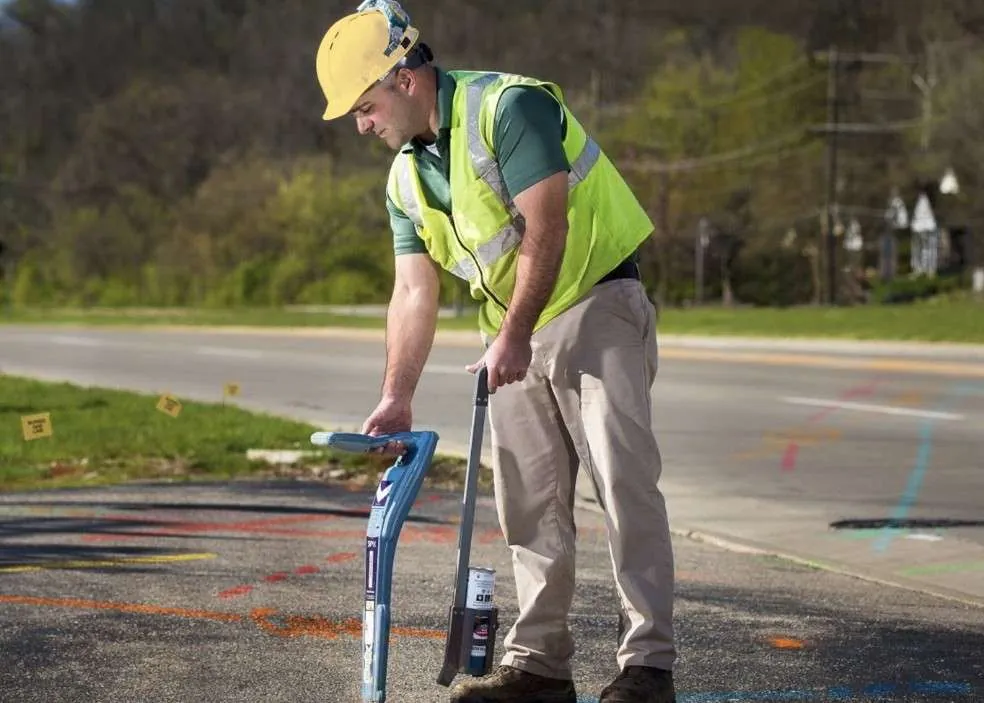
Under today’s damage-prevention practices, a located utility is marked on the ground with spray paint or flags. Those marks are temporary and carry no meaningful geospatial accuracy. Each locate also carries a legal “tolerance zone” that typically extends 18 to 24 inches on either side of the mark, with no guarantee of the line’s exact position or depth. When the paint fades, the knowledge goes with it.
Legal
Last updated: October 2026
ProStar Holdings Inc. and its subsidiaries (“ProStar,” “we,” “us”) respect your privacy. This Privacy Policy explains how we collect, use, share and protect personal information through prostarcorp.com (the “Website”) and our investor communications.
We do not sell your personal information.
We send corporate email only to people who have consented to receive it. Every email includes an unsubscribe link, and you can withdraw your consent at any time by using that link or by emailing us at the address below. We comply with Canada’s Anti-Spam Legislation (CASL) and the U.S. CAN-SPAM Act.
We share personal information only with service providers that help us run the Website and our communications, such as our website host and email distribution platform. They may use it only to provide services to us. We may also disclose information where required by law or regulation, or in connection with a corporate transaction.
ProStar operates in Canada and the United States, and our service providers may store or process information in those or other countries. When your information is held outside your country, it may be accessible to authorities there under local law.
Cookies are small files that a website stores in your browser. We group them as follows:
When you first visit, a banner lets you accept all cookies, reject non-essential cookies, or choose by category. You can change your choice at any time using the “Cookie settings” link at the bottom of every page. Videos are embedded using YouTube’s privacy-enhanced mode, which does not set cookies until you play a video.
We keep personal information only as long as needed for the purposes above. Mailing-list details are deleted or anonymized when you unsubscribe, except where we must keep a record of your request.
Depending on where you live, you may have the right to access, correct or delete your personal information, to withdraw consent, and to complain to a privacy regulator. This includes rights under Canada’s PIPEDA, applicable U.S. state privacy laws, and the EU and UK GDPR. To make a request, contact us as described below.
We use reasonable administrative, technical and physical safeguards to protect personal information. No method of transmission over the internet is completely secure.
The Website is not directed to children, and we do not knowingly collect personal information from anyone under 16.
We may update this Privacy Policy from time to time. The “Last updated” date shows when it last changed.
Legal
Last updated: October 2026
These Terms of Use govern your use of prostarcorp.com (the “Website”), operated by ProStar Holdings Inc. (“ProStar”). By using the Website you agree to these terms. If you do not agree, please do not use the Website.
The content of this Website is provided for general information only. Nothing on it is an offer to sell, or a solicitation of an offer to buy, any securities in any jurisdiction, and nothing on it is investment, legal, tax or financial advice. You should consult your own advisers and review ProStar’s public filings before making any investment decision.
News releases, presentations and other materials speak only as of the date they were issued. ProStar does not undertake to update them, except as required by applicable securities laws. The most current and complete information about ProStar is in its continuous-disclosure filings on SEDAR+ at www.sedarplus.ca.
Industry statistics and third-party figures on the Website are drawn from the sources cited. ProStar has not independently verified them. Links to third-party websites are provided for convenience only, and ProStar is not responsible for their content.
The Website and its content, including text, graphics, logos, video and software, are owned by ProStar or its licensors. ProStar®, PointMan®, LinQD™ and TracksAI™ are trademarks of ProStar. Other names and logos are the property of their respective owners. You may view and download content for your personal, non-commercial use, provided you keep all copyright and other notices. Any other use requires ProStar’s prior written permission.
You agree not to misuse the Website, including by attempting to gain unauthorized access, interfering with its operation, or using it for any unlawful purpose.
The Website is provided “as is” without warranties of any kind. To the fullest extent permitted by law, ProStar is not liable for any loss or damage arising from your use of, or reliance on, the Website or its content.
Your use of the Website is also governed by our Privacy Policy.
These Terms are governed by the laws of the State of Colorado and applicable U.S. federal law, and any dispute will be resolved in the courts of Mesa County, Colorado.
ProStar may update these Terms of Use at any time by posting the revised version on the Website.
You’re leaving this site
You’ve chosen to leave the ProStar Investor Website. You’ll be taken to PointMan.com, the website for ProStar’s PointMan product, in 10 seconds.
Want to stay? Click “Stay on ProStar” or press Esc. Need a moment? Click “Pause”.
Annual General and Special Meeting
Shareholders can also vote by telephone at 1-866-732-8683 or online at www.investorvote.com. Non-registered shareholders should follow the voting instructions from their broker or intermediary.